


Interview-Ready English for a Backend Engineer From China
Strong engineers still stall when they have to think and speak English at the same time. He was a backend engineer in China. The gap was system design - not the technical content.
What this case shows
Written English was fine. Spoken answers stalled. See how one backend engineer from China practised system-design answers out loud.
At a glance
| Role | Backend Engineer |
|---|---|
| Location | China |
| English challenge | system design |
| Interview problem | System Design |
| Target | a Big Tech-style technical interview |
| Preparation | Live mocks with English feedback on the same answers |
| Outcome | Gained clearer, more confident English for interviews |
The Interview Problem
Strong engineers still stall when they have to think and speak English at the same time. He was a backend engineer in China. When he had to explain a system design out loud, his answers lost structure and he paused to translate.
Interview Strategy
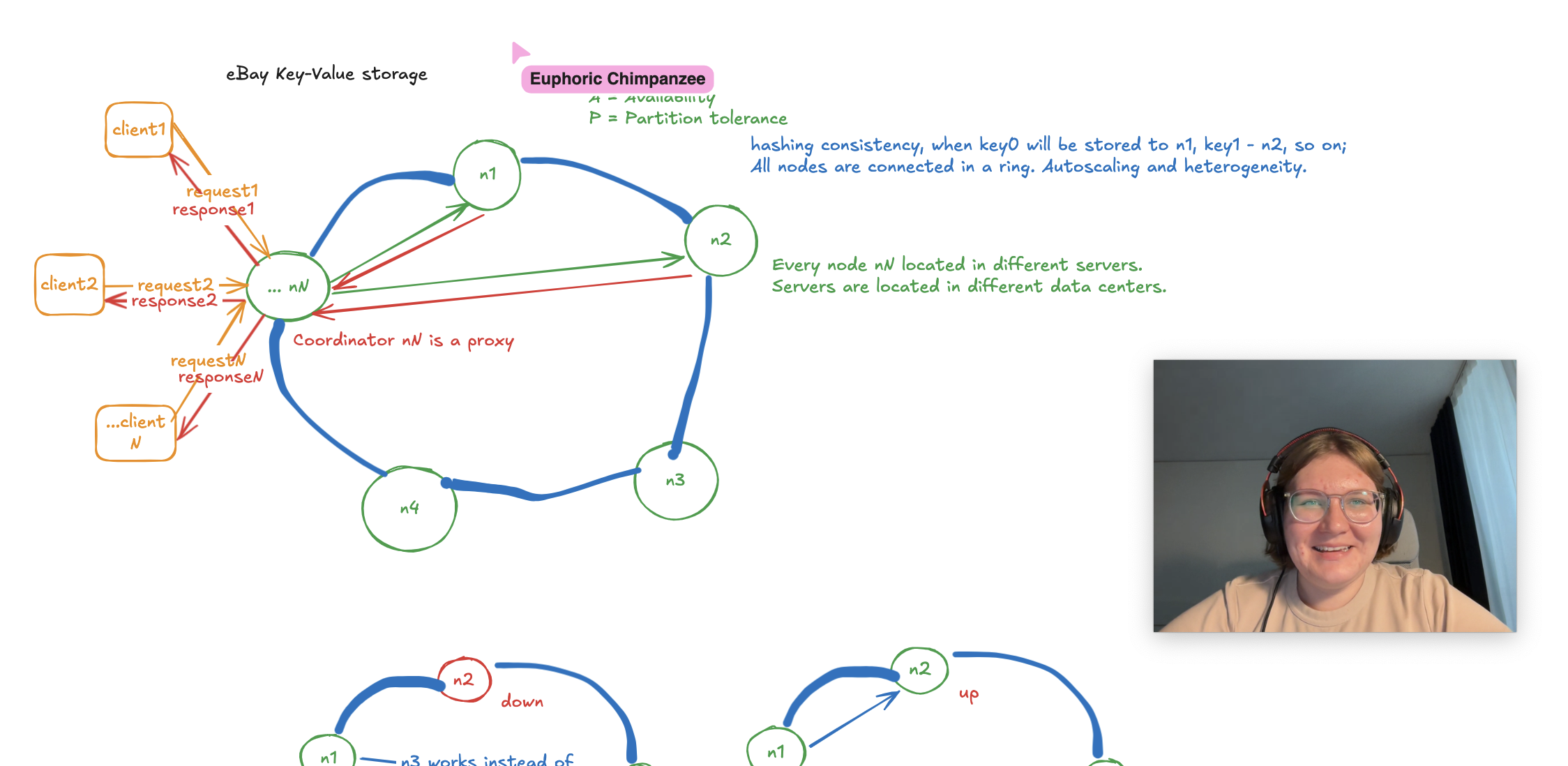
Practice matched the round he actually had to speak: system design. After each mock, he got notes on the same answer - where he paused, which words were vague, and where the structure broke.
- He practised clarifying requirements before naming services or components.
- He used a fixed spoken order: scope, components, bottlenecks, then trade-offs.
- He practised explaining trade-offs out loud, not only drawing boxes on a board.
- He worked on saying metrics and numbers in English (latency, load, cost).
- He narrated architecture without stopping to translate each sentence.
Useful references along the way: What to expect in English interviews, Pronouncing numbers and metrics.
Why System Design Is Difficult in English
System design is a 30–45 minute spoken explanation. You must sequence components, defend trade-offs, handle follow-ups, and keep vocabulary accurate while the clock runs. Translating each sentence in your head uses the time the interviewer needed for depth. A fixed spoken order is what keeps the round coherent in a second language.
Preparing for a similar path? Read How a Chinese Backend Engineer Built Interview-Ready English.
After the Coaching
He gained clearer, more confident English for interviews. He could explain the work more clearly when questions got hard. That readiness was the goal - not a promised job offer.
What to Practise
- Clarify the scope before you name services.
- Use one spoken sequence every time: requirements, scale, architecture, bottlenecks, then trade-offs.
- Practise saying metrics (latency, queries per second, storage) in full sentences.
- Name one trade-off out loud even if you already feel sure about the design.
- Record a fifteen-minute design walkthrough and listen only for jumps and unfinished sentences.
Where She Started
He prepared for English-language interviews as a backend engineer. Written English was stronger than speaking against the clock.
Practice this vocabulary drill
Try a locked preview of a tech-vocabulary drill used in this plan - with pronunciation prompts.
Sign up to unlock this exercise →Learning paths
Practise in the course
Start with your introPractise explaining system design in English
No card required. Start with a 7-day free trial - a lesson, a mock interview, or both.
Join 500+ preparing for global roles
FAQ
Questions
More questions? Email us at contact@mocklyenglish.com.
Other engineers practising interview English

Thanks to Mockly’s preparation and mock interviews, I passed multiple interviews, received several offers, and landed a new job. The sessions increased my confidence as we worked through initial screening and technical interview questions. Mockly didn’t just improve my English - they gave me great advice on how to answer questions and approach interviews strategically. I truly recommend them to anyone seeking a role at an international company.

Mockly knows what it takes to get hired. The preparation covers behavioral, algorithm, and system design interviews thoroughly - with real expertise in the STAR method, LeetCode, and Alex Xu’s system design frameworks. And when it comes to English and communication skills, the native-speaking mentors make all the difference.
Similar case studies
How a Chinese Backend Engineer Built Interview-Ready English
A Chinese Backend Engineer knew the work. Live English - structured interview stories - was where interviews stalled. Here is the practice that changed the delivery.
How a Backend Engineer From China Prepped for English Interviews
A Chinese Backend Engineer knew the work. Live English - system-design answers - was where interviews stalled. Here is the practice that changed the delivery.
More case studies
Related resources
Case studies are illustrative, based on patterns from real coaching sessions.